Deep Dive Into the Unknown: Exploring the Depths of Artificial Intelligence

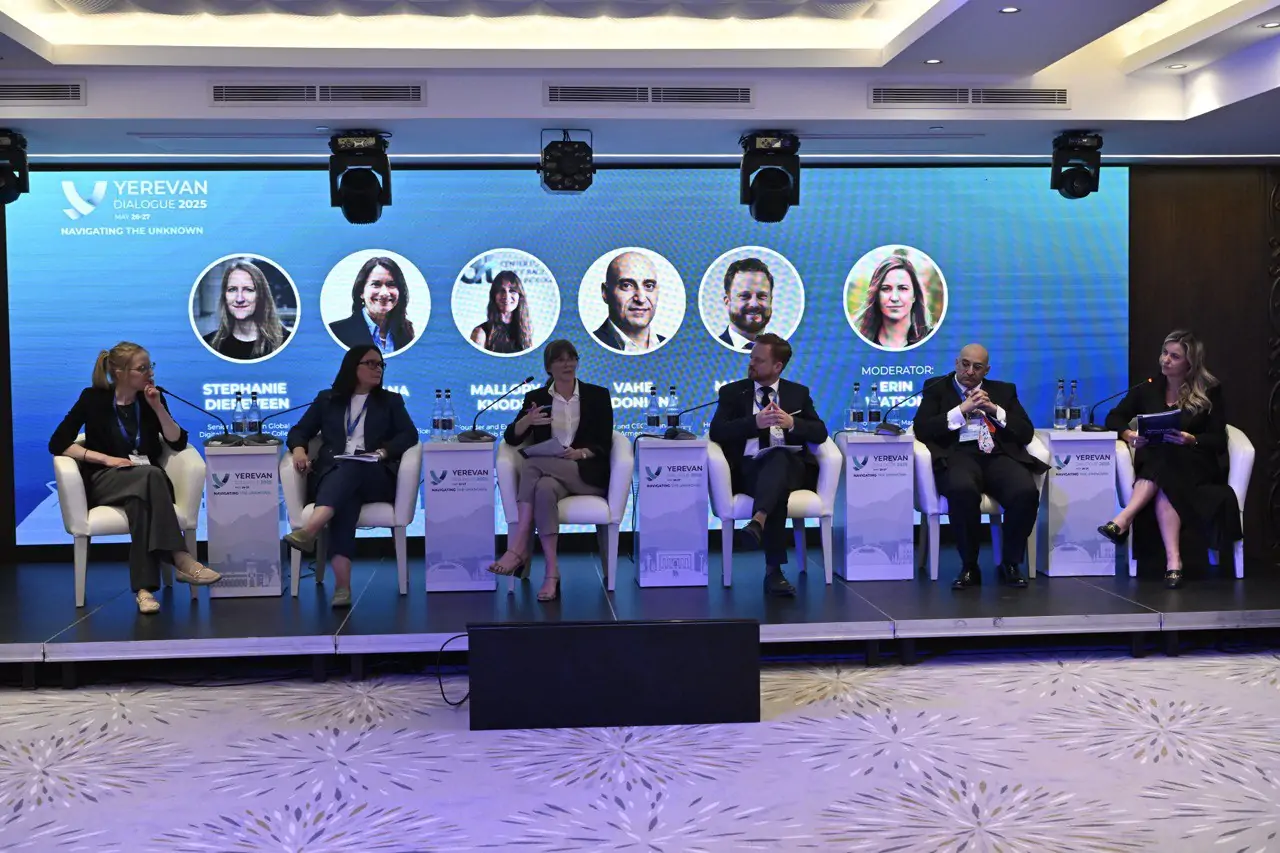
“AI and Power: Navigating Technology in a Divided World” panel discussion brought together leading voices in digital governance, technology, and policy to explore how artificial intelligence is reshaping global power dynamics. Panelists included Matthias Kloth (Head of Digital Governance and Sport Department, Directorate General Human Rights and Rule of Law, Council of Europe), Vahe Andonians (Founder and CEO, Cognaize, Armenia), Mallory Knodel (Founder and Executive Director, Social Web Foundation, USA), Silvana Lopez (Group Chief Operations Officer, ClarkeModet, Spain), and Stephanie Diepeveen (Senior Lecturer in Global Digital Politics, King’s College London, United Kingdom). The panel was moderated by Erin Watson (Founder and Managing Director, Baker & York, Australia).

Matthias Kloth emphasized the urgent need for frameworks that prioritize human rights and democratic principles: “We are witnessing the politicization of technology without the guardrails of international governance. AI must be subject to accountability, transparency, and ethical oversight.”

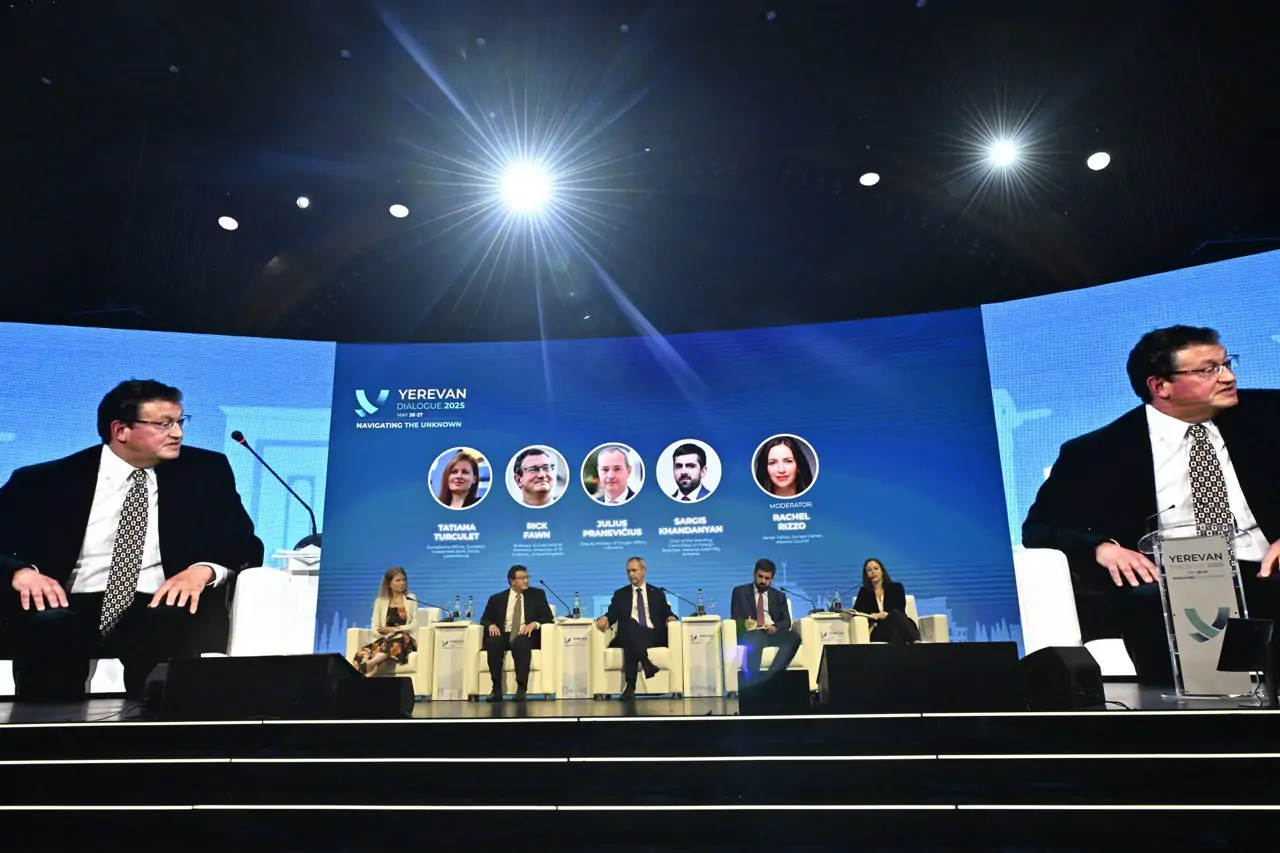
The Expansion Equation: Should EU Enlargement be made easier?

“The Expansion Equation: Should EU Enlargement Be Made Easier?” panel discussion gathered experts and policymakers for a timely conversation on the promises and complexities of joining the European Union. Panelists included Sargis Khandanyan (Chair of the Standing Committee on Foreign Relations, National Assembly of Armenia), Julius Pranevičius (Deputy Minister of Foreign Affairs, Lithuania), Rick Fawn (Professor of International Relations, University of St Andrews, UK), and Tatiana Turculet (Compliance Officer, European Investment Bank Group, Luxembourg). The discussion was moderated by Rachel Rizzo, Senior Fellow at the Europe Center of the Atlantic Council.

Sargis Khandanyan emphasized the importance of the enlargement process for countries like Armenia, noting: “For us, EU integration is not just a policy goal—it’s a transformative journey toward stronger institutions, justice, and resilience.” Julius Pranevičius acknowledged the frustrations of long-standing candidate countries, while reaffirming Lithuania’s support for an enlargement process that is both fair and forward-looking.

Panelists underscored that the EU is more than economic integration; it is a values-based community rooted in democracy, solidarity, and the rule of law. Rick Fawn stated: “EU membership is a generational investment—it changes societies, especially for youth and marginalized communities.” Tatiana Turculet added that accession is not only about ticking boxes but about embracing the spirit of European unity: “The process itself must empower reform and inspire trust—both within and beyond candidate countries.”

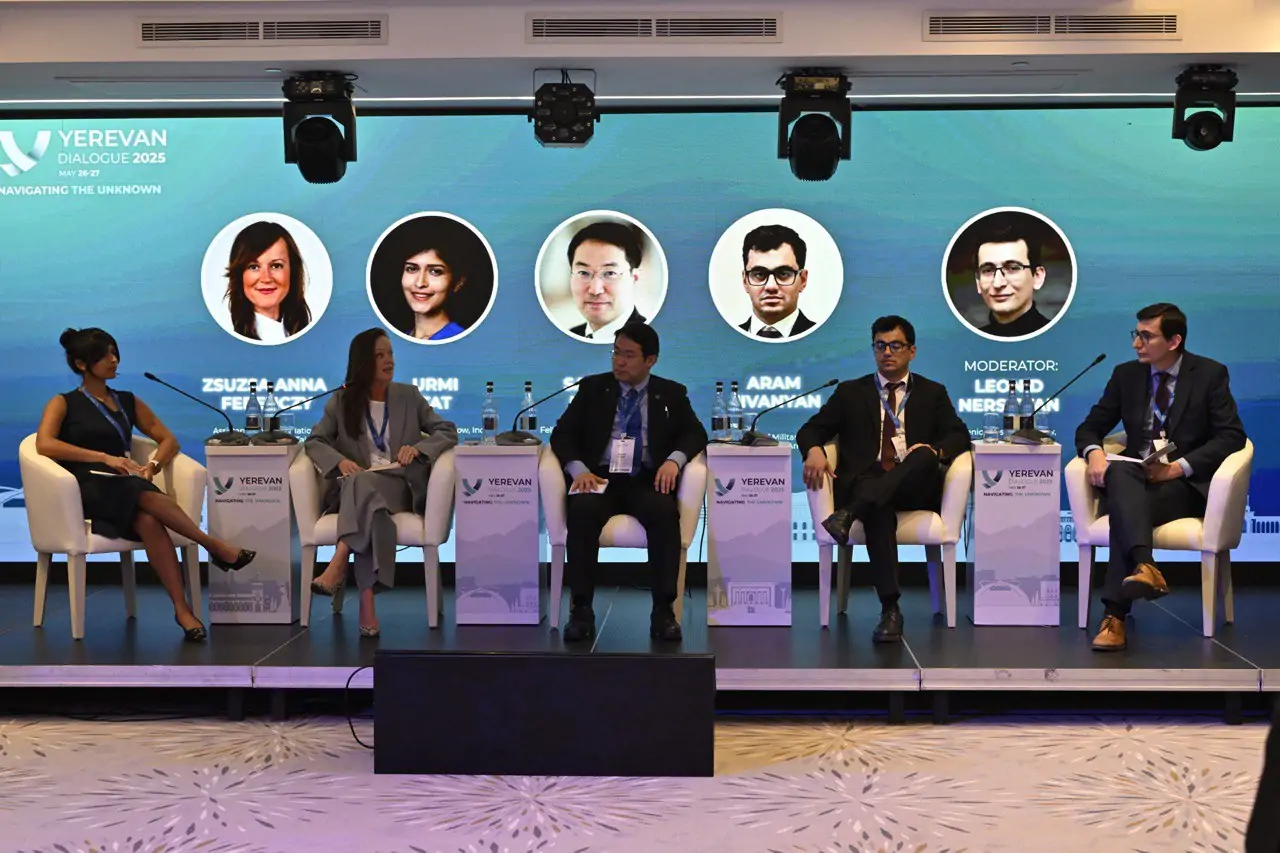
Between Innovation and Destruction: Regulating AI and Dual-Use Technologies

The panel titled “Dual-Use Technologies: Navigating the Ethics and Security of Military Innovation” brought together experts to discuss the increasingly blurred lines between civilian and military technologies and the urgent need for ethical and regulatory frameworks. Panelists included Aram Jivanyan (Chairman of Military Industrial Committee, Armenia), Satoru Nagao (Fellow, Hudson Institute, Japan), Urmi Tat (US-India ORF AI Fellow, India), and Zsuzsa Anna Ferenczy (Assistant Professor, National Dong Hwa University, Taiwan). The session was moderated by Leonid Nersisyan (Senior Research Fellow, Applied Policy Research Institute, Armenia).

Aram Jivanyan highlighted the rapid militarization of civilian technologies: “Technologies once seen as purely commercial or research-based now carry profound security implications. The challenge is balancing innovation with responsibility.” Satoru Nagao stressed the global dimension: “Without international consensus, the weaponization of dual-use technologies risks escalating conflicts and destabilizing security environments worldwide.”

Urmi Tat raised critical ethical questions about AI in warfare: “Autonomous systems can make life-and-death decisions—accountability and transparency must guide their development and deployment.” Zsuzsa Anna Ferenczy emphasized the need for robust governance: “We need frameworks similar to nuclear non-proliferation treaties to regulate these emerging threats.” Panelists agreed that international cooperation and a shared commitment to ethical standards are essential to mitigate risks posed by dual-use technologies in modern conflict.

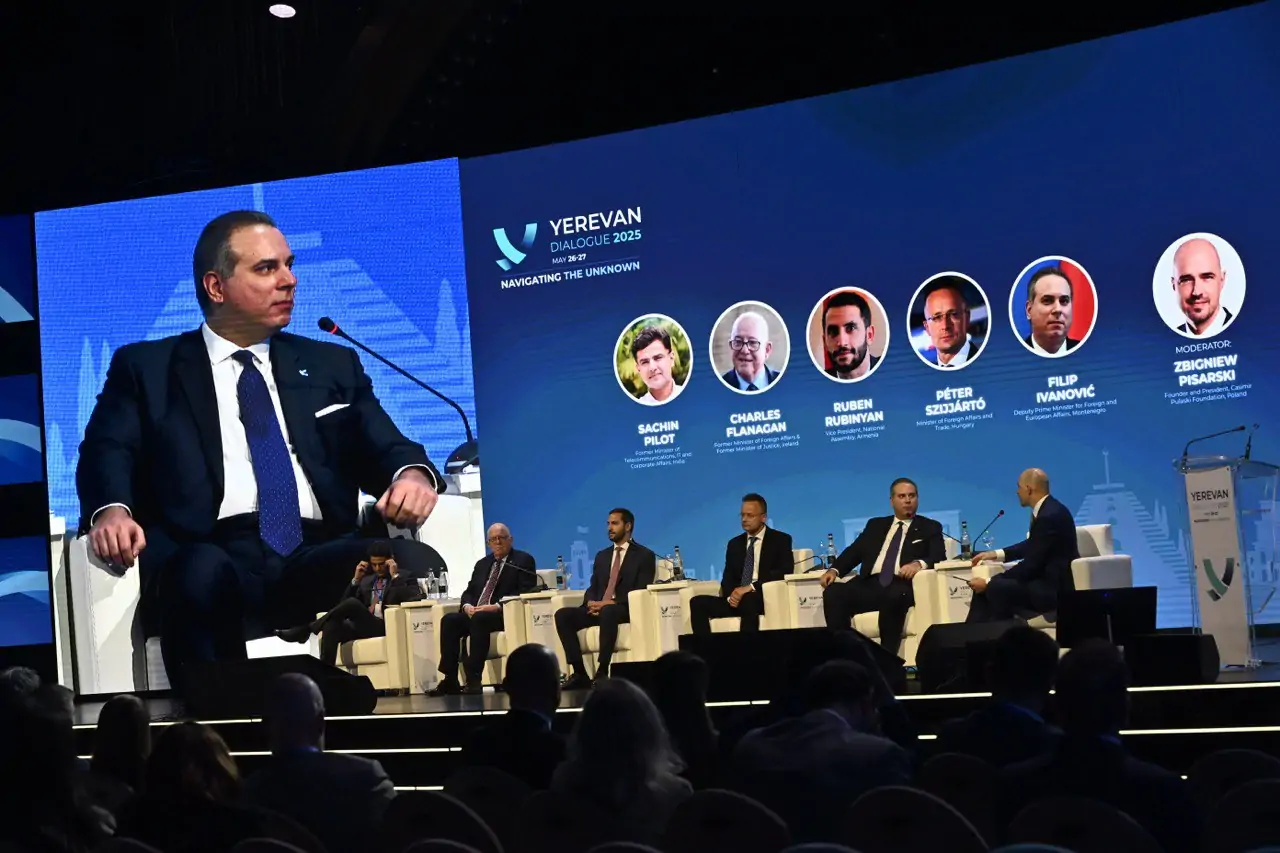
Smart, Nimble, and Agile: Foreign Policy for a Fractured World Order

On May 27, the Yerevan Dialogue international conference hosted a high-level panel titled “Smart, Nimble, and Agile: Foreign Policy for a Fractured World Order” brought together Filip Ivanović (Deputy Prime Minister for Foreign and European Affairs, Montenegro), Péter Szijjártó (Minister of Foreign Affairs and Trade, Hungary), Ruben Rubinyan (Vice President, National Assembly of Armenia), Charles Flanagan (Former Minister for Foreign Affairs and Justice, Ireland), and Sachin Pilot (Former Minister of Telecommunications, IT and Corporate Affairs, India). The session was moderated by Zbigniew Pisarski, Founder and President of the Casimir Pulaski Foundation, Poland.

Filip Ivanović emphasized the importance of regional cooperation in the Western Balkans, stating: “The EU’s renewed attention to the region opens real opportunities—not just political rhetoric—for sustainable growth through connectivity and strategic partnerships.” Péter Szijjártó offered a candid view on the European Union’s enlargement process, arguing that “while the EU speaks of supporting enlargement, behind closed doors it places endless obstacles—some countries have been kept waiting for over 15 years.”

Ruben Rubinyan noted Armenia’s shifting foreign policy priorities since 2020, underscoring strengthened partnerships with the EU, United States, France, and India. “We are actively expanding our cooperation with India, particularly in the security domain,” he stated. Charles Flanagan reaffirmed Ireland’s commitment to a multilateral and rules-based international order, while Sachin Pilot called for agile and cooperative diplomacy among democracies: “In an age of uncertainty, countries must build trust through shared values and flexible engagement.”

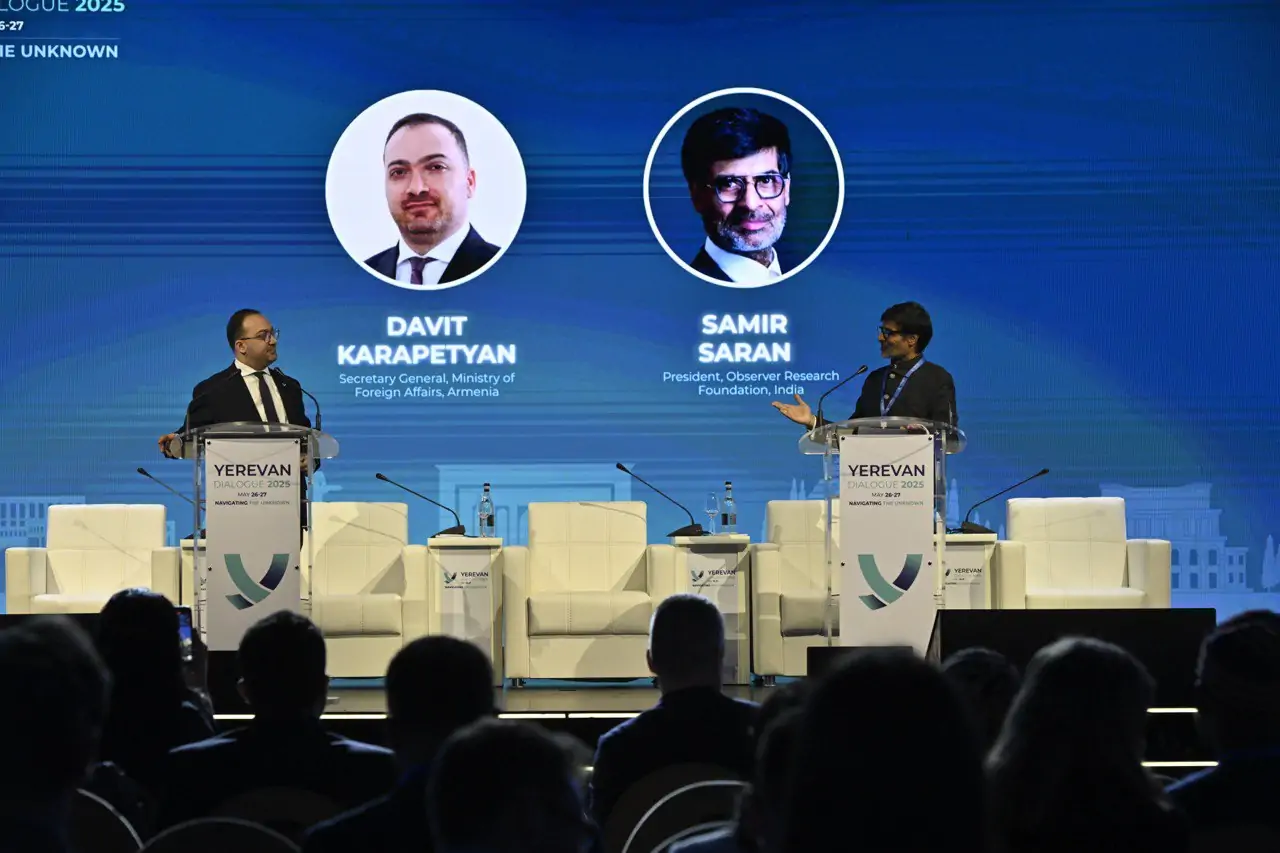
Curators call

On May 27, the Yerevan Dialogue international conference continued with a featured conversation titled “Curators Call,” bringing together two influential voices in diplomacy and policy.

Davit Karapetyan, Secretary General of the Ministry of Foreign Affairs of Armenia, and Samir Saran, President of the Observer Research Foundation (India), engaged in a forward-looking discussion on climate, connectivity, artificial intelligence, and the future of global cooperation.

Davit Karapetyan emphasized Armenia’s strategic vision of connectivity as a tool for peacebuilding: “For Armenia, trade and connectivity are not merely economic concepts—they are pathways to lasting peace. Yerevan Dialogue creates a platform where diverse voices move us from words to action.”

Samir Saran underlined the urgency of open dialogue amid geopolitical tensions: “In an age of polarization, we need new and inclusive spaces like Yerevan Dialogue to host critical conversations. The shared values between India and Europe—democracy, pluralism, and cooperation—must continue to guide us forward.”

The session highlighted the role of emerging platforms in facilitating collaborative problem-solving across regions and disciplines, at a time when global diplomacy faces increasing fragmentation.