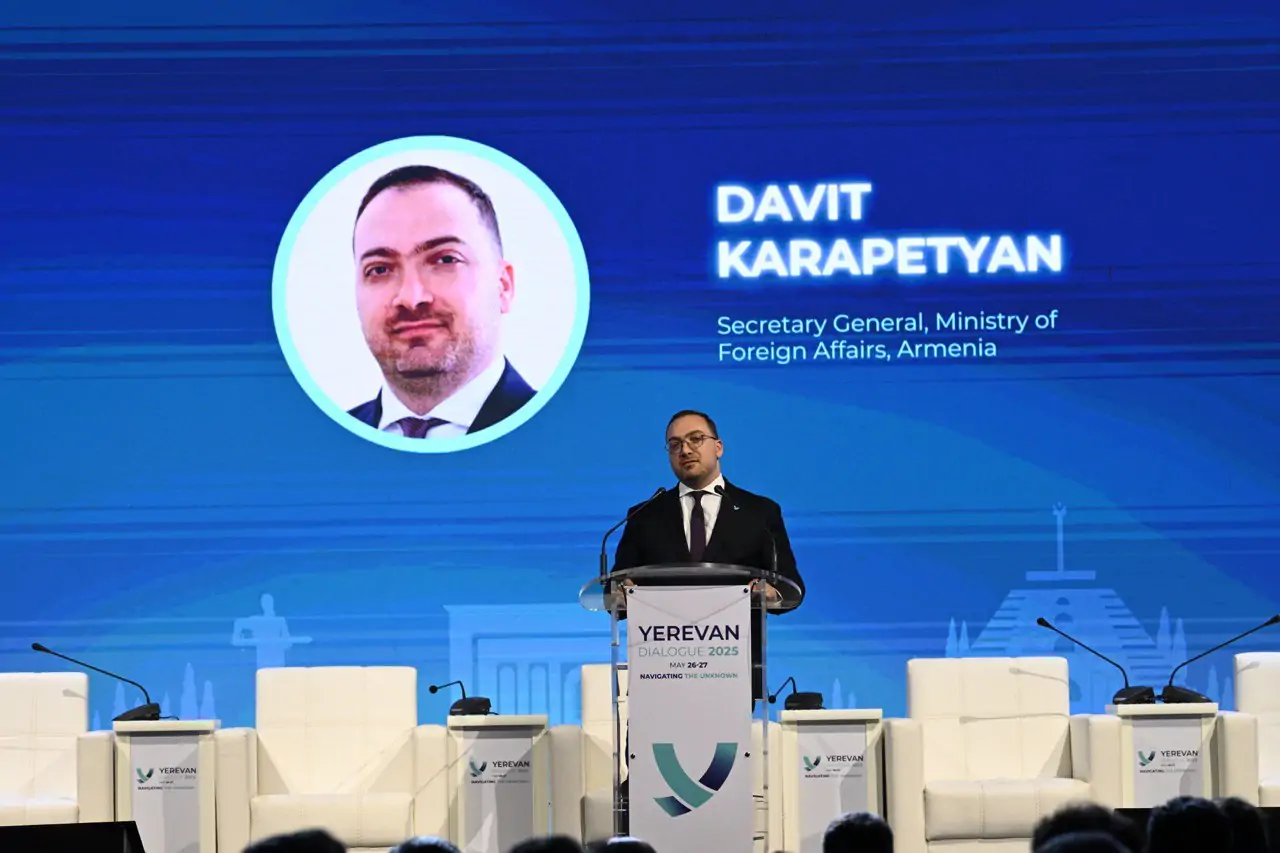
Closing Remarks & Vote of Thanks

On May 27, the Yerevan Dialogue international conference concluded with Closing Remarks and Vote of Thanks delivered by Davit Karapetyan, Secretary General of the Ministry of Foreign Affairs of Armenia.

In his remarks, Karapetyan reflected on the significance of hosting such a diverse and high-level international forum in Yerevan, emphasizing the urgency of collective action in an era defined by complexity and fragmentation. “Yerevan Dialogue was not merely about discussion—it was about listening, bridging divides, and generating ideas that move beyond the headlines,” he said.

He thanked the panelists, moderators, international partners, and participants for their engagement and contributions: “Your presence and voices have demonstrated that constructive dialogue is still possible, even in the most fractured global landscape. Armenia is proud to serve as a platform for such essential conversations.”

Closing the event, Karapetyan reaffirmed Armenia’s commitment to multilateralism, cooperation, and bold thinking in foreign policy: “We look forward to turning today’s dialogue into tomorrow’s action.

Strengthening information integrity on climate change and other environmental issues with Partnership for Information and Democracy

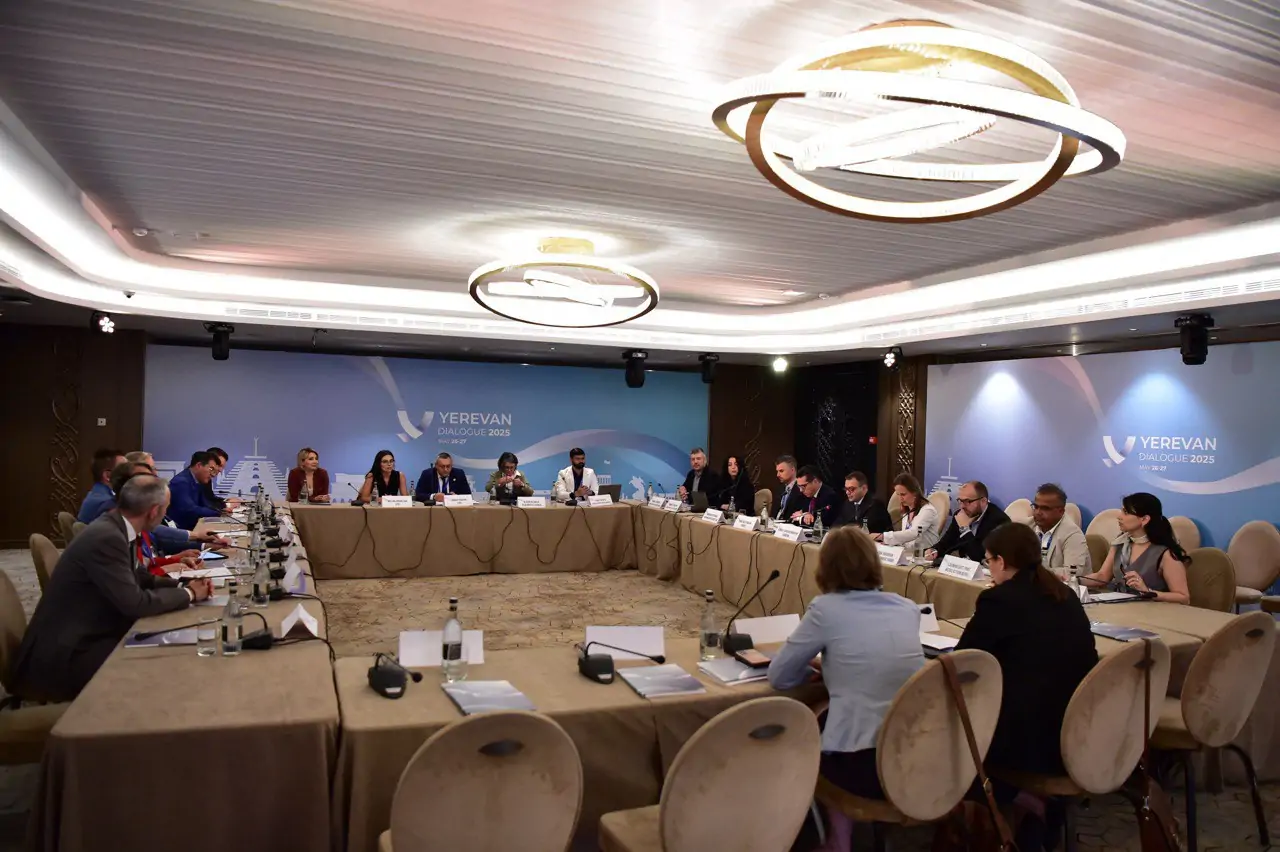
On May 27, the Yerevan Dialogue international conference featured a closed-door session titled “Strengthening Information Integrity on Climate Change and Other Environmental Issues,” organized in partnership with the Partnership for Information and Democracy with participation of Robert Abisoghomonyan, Deputy Minister of Foreign Affairs of Armenia, high-ranking officials from different countries, Ambassadors and experts.

The session marked the launch of a new workstream co-chaired by the governments of Armenia and Brazil, aimed at addressing the growing challenges of disinformation and misinformation surrounding environmental issues. The discussion was particularly timely in light of two upcoming global events: COP30, to be hosted by Brazil in 2025, and COP17, to be hosted by Armenia in 2026.

Mission Mitigation: Bridging the Path to Decarbonisation in the Developing World

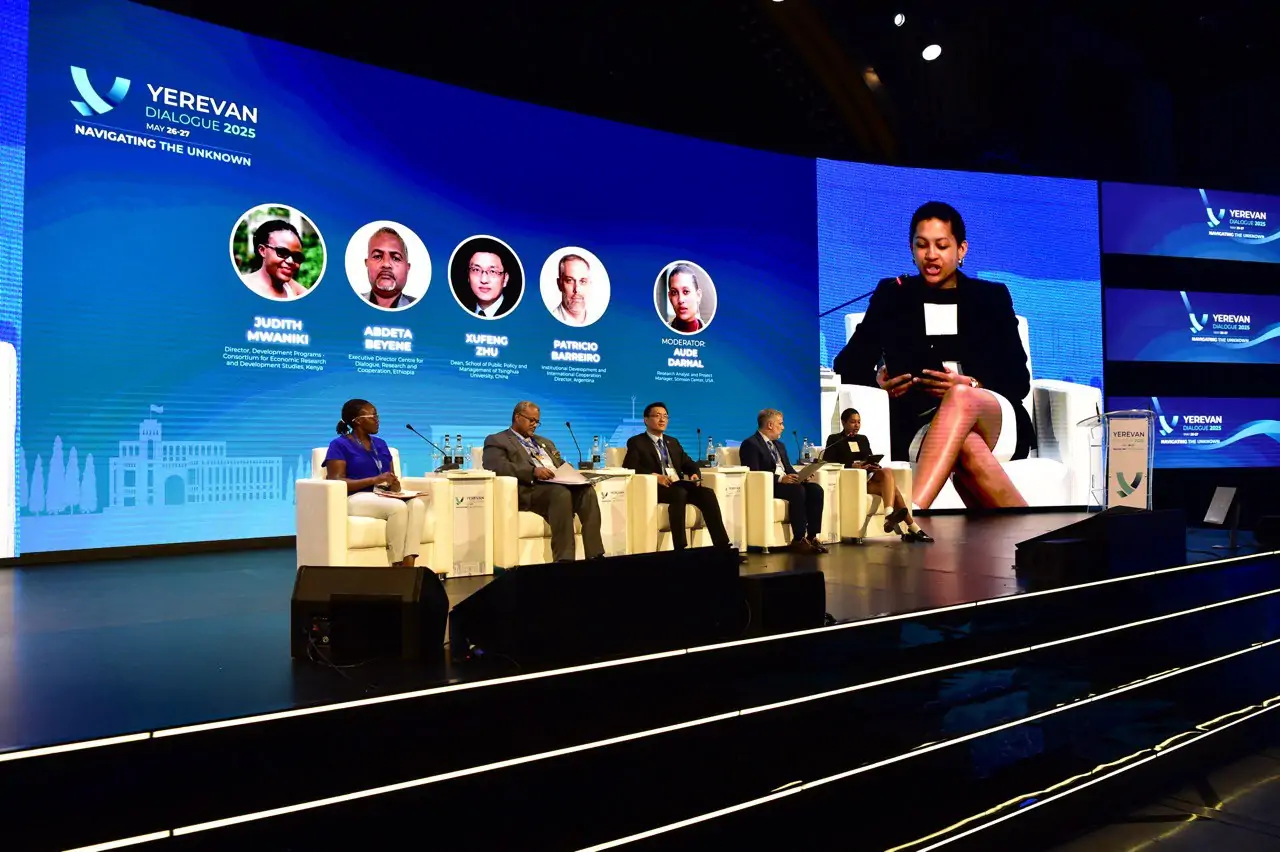
The panel titled “Balancing Development and Decarbonization: Climate Strategies for a Divided Planet” panel discussion convened experts and policymakers to discuss the pressing challenge of reducing carbon emissions amid global inequalities. Panelists included Patricio Barreiro (Institutional Development and International Cooperation Director, Argentina), Xufeng Zhu (Dean, School of Public Policy and Management, Tsinghua University, China), Abdeta D. Beyene (Executive Director, Centre for Dialogue, Research and Cooperation, Ethiopia), and Judith Mwaniki (Director of Development Programs, Consortium for Economic Research and Development Studies, Kenya). The session was moderated by Aude Darnal (Research Analyst and Project Manager, Stimson Center, USA).

Patricio Barreiro emphasized the responsibility of industrialized nations to support equitable climate action: “Countries in the Global South cannot be expected to decarbonize at the cost of their development. Climate finance must be accessible, fair, and transformative.” Xufeng Zhu addressed the role of state-led innovation: “Green technology adoption requires both political will and investment in local capacity. One-size-fits-all approaches will not work.

Abdeta D. Beyene pointed to regional imbalances: “Africa faces the dual challenge of poverty and climate vulnerability. Without tailored support, the green transition will deepen global divides.” Judith Mwaniki stressed the need for inclusive and realistic strategies: “Climate action must align with development goals. We need context-specific solutions, not imported frameworks.” Panelists called for robust international cooperation and climate finance models that bring advanced technology—like carbon capture and green hydrogen—within reach of developing nations.

The Social Algorithm: Decoding the Data-Driven Economy

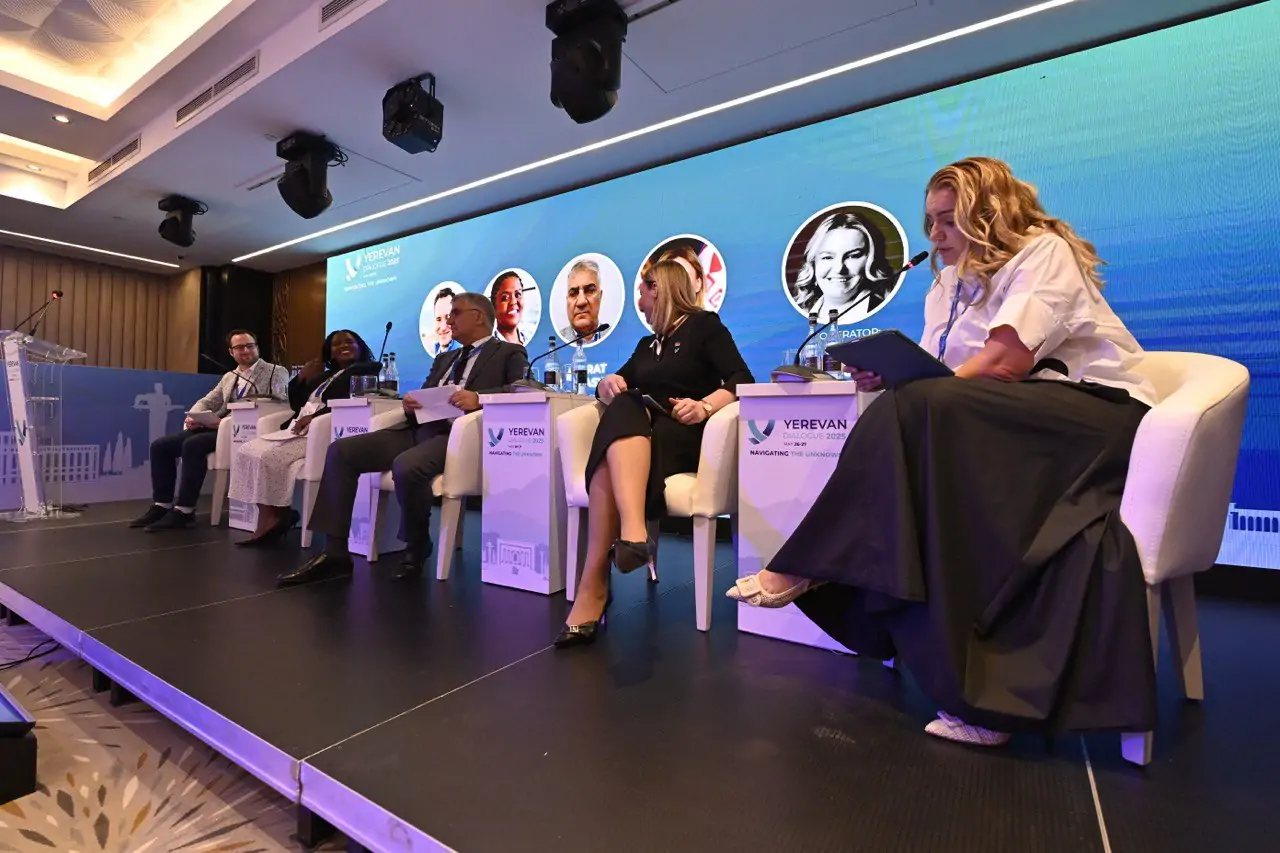
“Governing the Digital Wild West: Social Media, Data, and Accountability” panel discussion brought together leaders from government, finance, civil society, and tech to examine the complexities of regulating the digital economy and building more transparent and accountable online spaces. Panelists included Tatjana Macura (Minister in Charge of Gender Equality, Prevention of Home-Based Violence, and Political and Economic Empowerment of Women, Serbia), Ararat Ghukasyan (First Deputy Chairman of the Management Board, Unibank, Armenia), Baratang Miya (Founder, Women In Internet Governance, South Africa), and Scott Cunningham (Entrepreneur, Investor, and Global Change Leader, USA). The session was moderated by Viktoria Poghosyan (Director of External Affairs, Philip Morris, Armenia).

Tatjana Macura emphasized the social dimensions of digital governance: “Online spaces are not separate from society—they shape political opinion, economic access, and even public safety. We need regulation that protects users without suppressing rights.” Ararat Ghukasyan spoke about the intersection of digital finance and data governance: “Banks are adapting to a world where data is currency—but that data must be protected. Regulation must be smart, harmonized, and forward-looking.”

Baratang Miya highlighted the importance of inclusive digital policy: “Marginalized voices must be part of the digital conversation. Governance that excludes them is incomplete and ineffective.” Scott Cunningham addressed the role of innovation in regulation: “AI-powered tools can help moderate harmful content, but without transparency, they risk becoming black boxes of control.” Panelists called for stronger cross-border cooperation, ethical use of technology, and robust frameworks that balance innovation with accountability.

The Biodiversity Nexus: Reweaving the Earth’s Living Tapestry

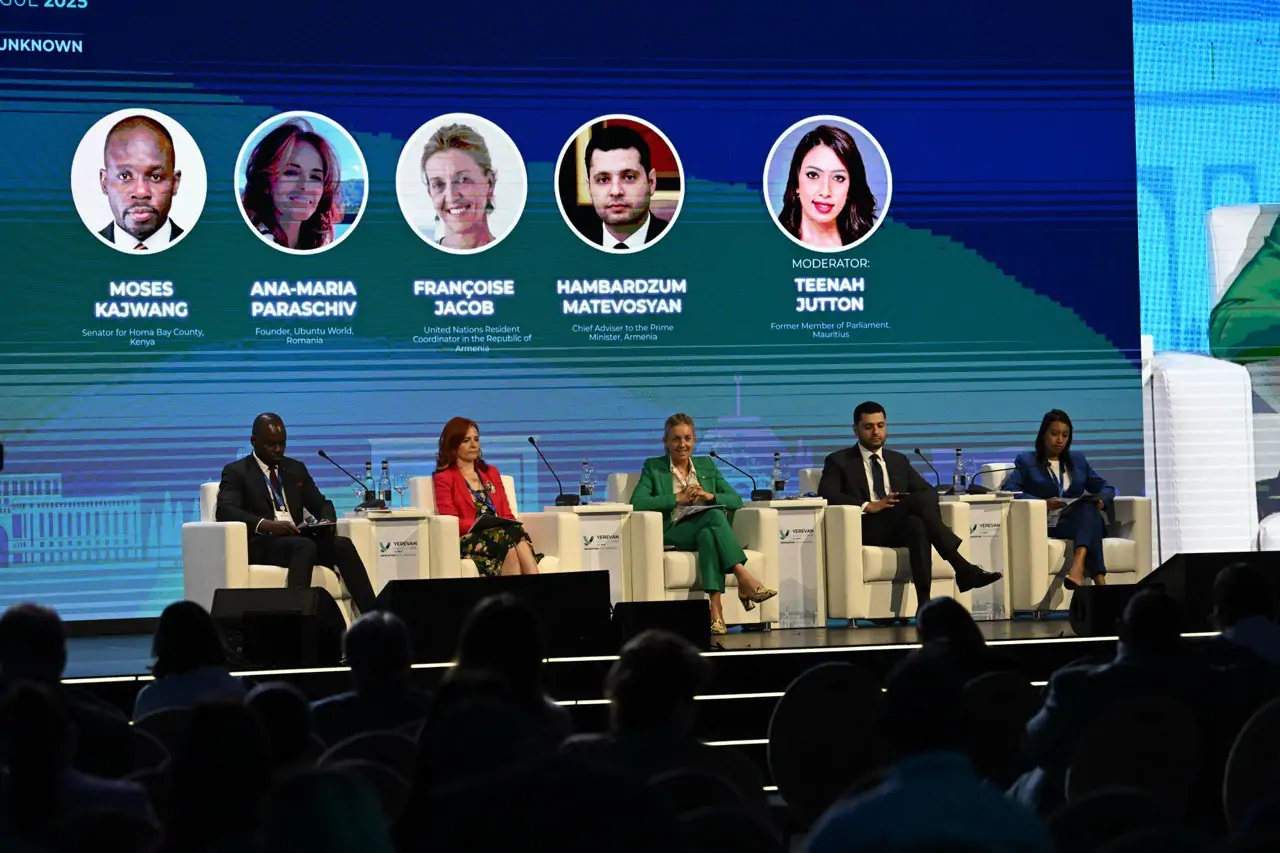
On May 27, the panel titled “Biodiversity in Crisis: Rethinking Protection in a Warming World” gathered global voices to discuss innovative approaches to halting biodiversity loss and safeguarding ecosystems under threat. Speakers included Hambardzum Matevosyan (Chief Adviser to the Prime Minister, Armenia), Françoise Jacob (United Nations Resident Coordinator in Armenia), Ana-Maria Paraschiv (Founder, Ubuntu World, Romania), and Moses Kajwang (Senator for Homa Bay County, Kenya). The panel was moderated by Teenah Jutton (Former Member of Parliament, Mauritius).

Hambardzum Matevosyan emphasized Armenia’s leadership ahead of COP17, stating: “Hosting COP17 is not only an honor—it is a responsibility to shape the future of biodiversity policy in line with the Kunming-Montreal Global Biodiversity Framework.” Françoise Jacob underscored the urgency of acting now: “We are facing an ecological tipping point. Biodiversity is not a luxury—it’s the foundation of life, and its protection must be at the center of sustainable development.”

Ana-Maria Paraschiv called for youth-led and community-based initiatives to drive conservation, adding: “To reverse biodiversity loss, we need solutions that are local, inclusive, and built on respect for nature.” Moses Kajwang stressed the importance of policy coherence and global cooperation: “Biodiversity loss is a global emergency—it requires coordinated action across borders, sectors, and generations.” Panelists agreed that COP17 offers a crucial opportunity to move beyond pledges and toward concrete, science-based action.